The Original Fracture – Trauma and the Birth of the Persona
This post explores how the persona—the social mask we wear—is born not out of ego or vanity, but as a necessary response to early developmental trauma. From birth, our nervous system learns to adapt for survival, shaping identity around safety and acceptance. Over time, these protective layers solidify into roles that disconnect us from our true essence. The article invites readers to see the persona not as the enemy, but as a signal—an invitation to heal and reclaim the deeper, embodied self beneath performance.
HUMANITYPSYCHOLOGY
6/11/20252 min read

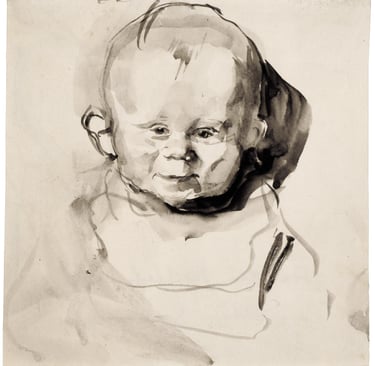
Every human being is born vulnerable—naked, dependent, and wired to survive through connection. But that same biological need for safety becomes the foundation of our first compromises. The nervous system learns quickly: what is acceptable, what brings love, what causes pain. From these early impressions, the persona is born—not as a flaw, but as a necessity.
Birth itself is a rupture: from fluid to air, from oneness to separation. Even with loving caregivers, the sheer intensity of sound, light, hunger, and cold is enough to create shockwaves in the developing body. Over time, these impressions form what somatic therapists call developmental trauma—the invisible shaping of identity around the need to feel safe.
Infants adapt by suppressing emotion to avoid disconnection.
Toddlers learn to smile or stay quiet based on praise or punishment.
Children internalize roles: the helper, the achiever, the caretaker, the quiet one.
Our body keeps the score. The amygdala, vagus nerve, and stress-response systems record emotional danger even before memory is verbalized. As the nervous system adapts, the persona emerges as a protective strategy:
To be seen but not rejected.
To belong without risking too much truth.
To control emotion to feel safe.
This doesn’t mean we are broken. It means we are human.
What begins as protection can become prison. If the persona never matures—if we never feel safe enough to drop the performance—it calcifies. We become adults who don’t know how to feel, or express, or rest in our true self.
And yet: the very presence of the mask is an invitation. Its discomfort signals a deeper truth waiting to emerge.
"Healing is not about destroying the persona—it’s about thanking it, then guiding it into alignment with the soul."
Recognizing the trauma of development isn’t about blame—it’s about compassion.
When we see the persona not as egoic failure but as adaptive genius, we can begin to unwind it gently. Breath by breath, we reconnect with the body. Moment by moment, we invite our true self forward.
We were never meant to live in fear. We were meant to become.